By: The InMotion Team
When dealing with a neurodegenerative condition—such as Parkinson’s disease, Alzheimer’s, Multiple Sclerosis (MS), or the aftermath of a stroke—traditional fitness advice falls short. Generic gym machines and standard cardio routines don't address the unique ways these conditions disrupt the nervous system.
At InMotion Personal Training, we believe that exercise shouldn't just target your muscles; it should target your brain.
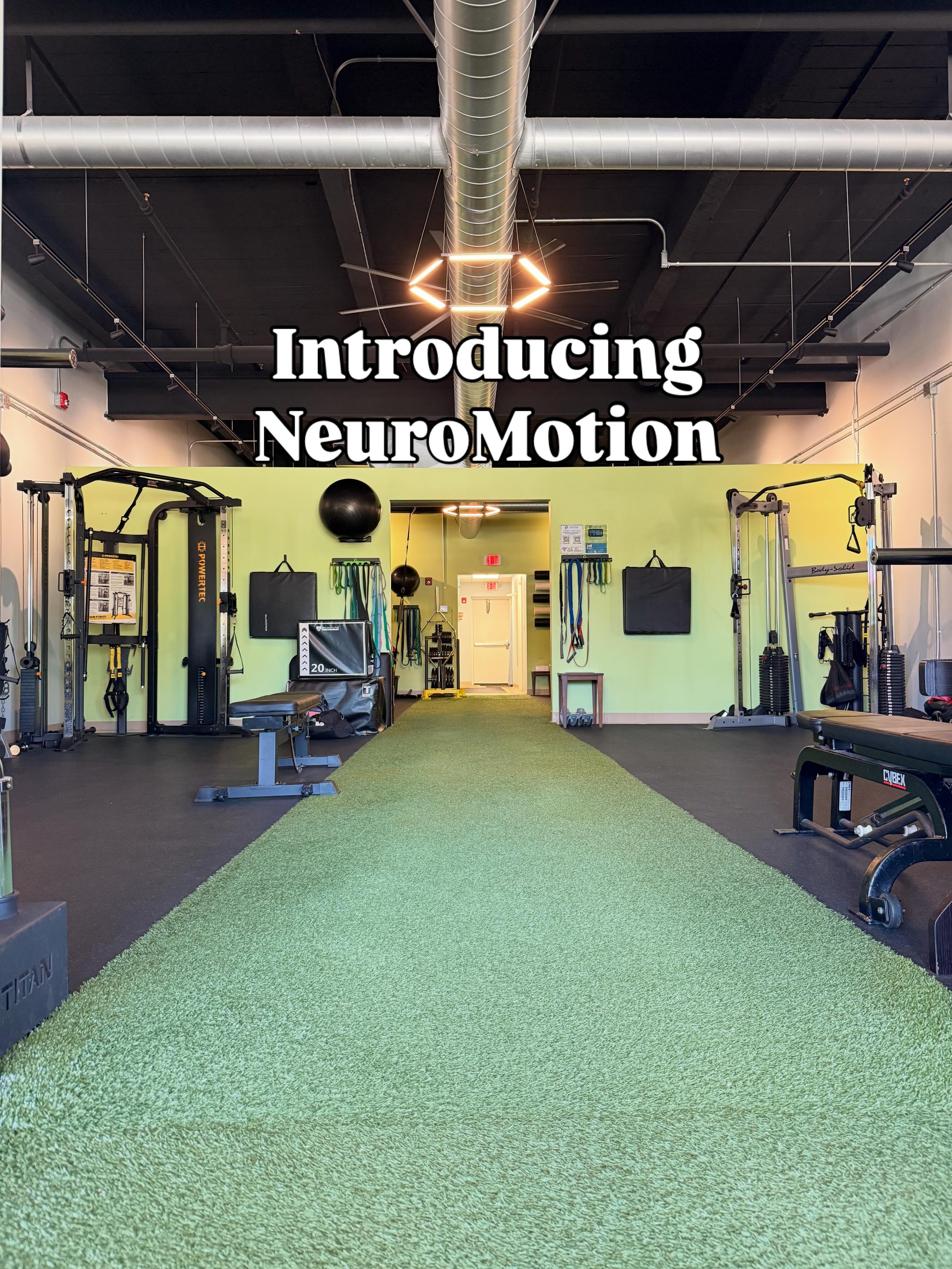
That is why we are incredibly proud to introduce NeuroMotion, a specialized Functional Movement class at our Shrewsbury studio designed to help individuals reclaim their mobility, protect their autonomy, and fight back against symptom progression.
The Power of Neuroplasticity
For a long time, medical science believed that once neural pathways were damaged, they were gone for good. Today, we know about a beautiful phenomenon called neuroplasticity—the brain’s natural ability to reorganize itself, adapt, and forge entirely new pathways around damaged areas.
Neuroplasticity doesn't just happen on its own; it requires a specific, intentional physical stimulus. NeuroMotion is built entirely around providing that stimulus. We don't just ask you to move; we ask your brain and body to communicate in entirely new ways.
Inside a NeuroMotion Session
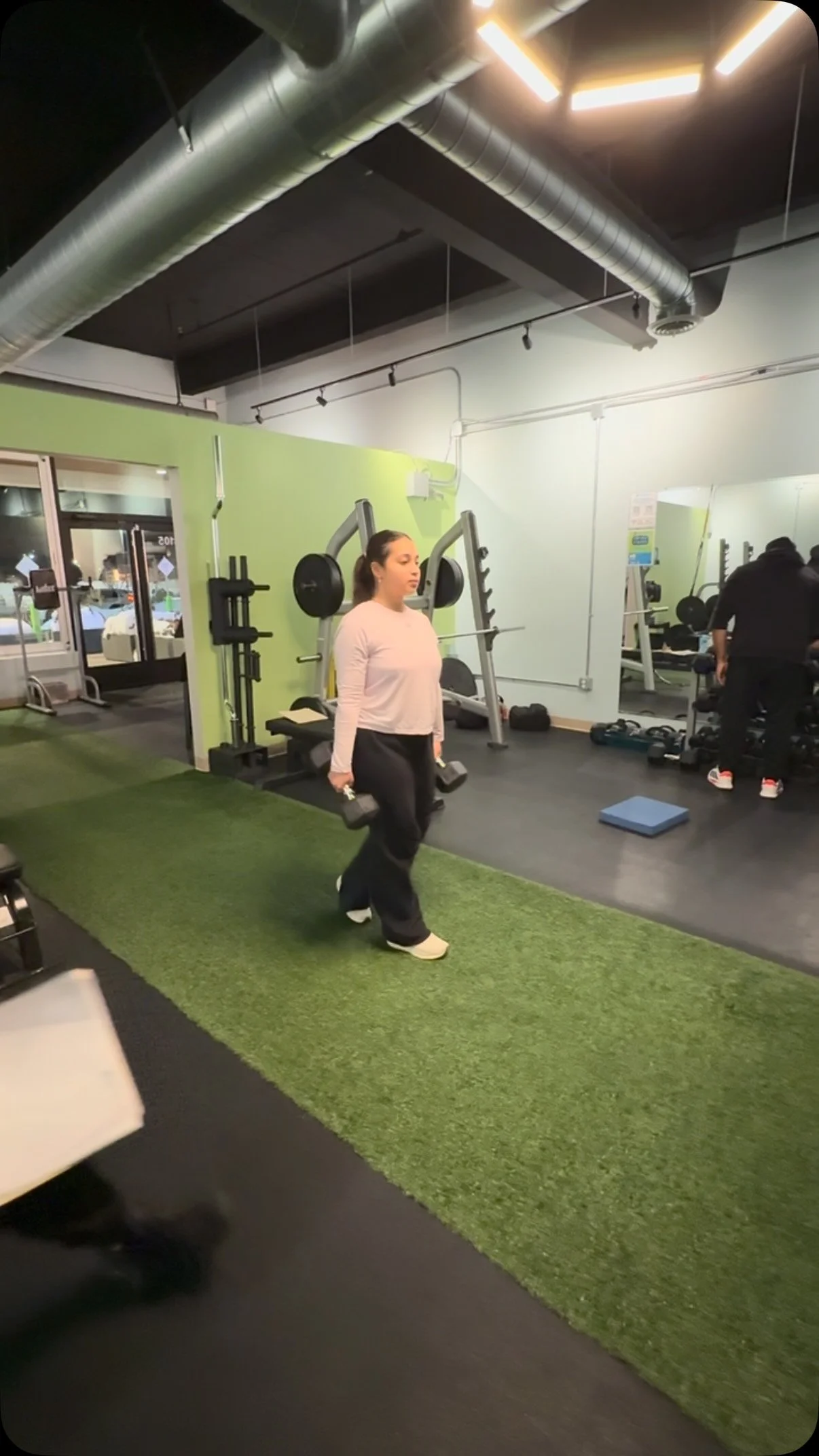
Led by our degree-holding movement specialists at our private Maple Ave studio, every NeuroMotion class targets three critical areas of neurological health:
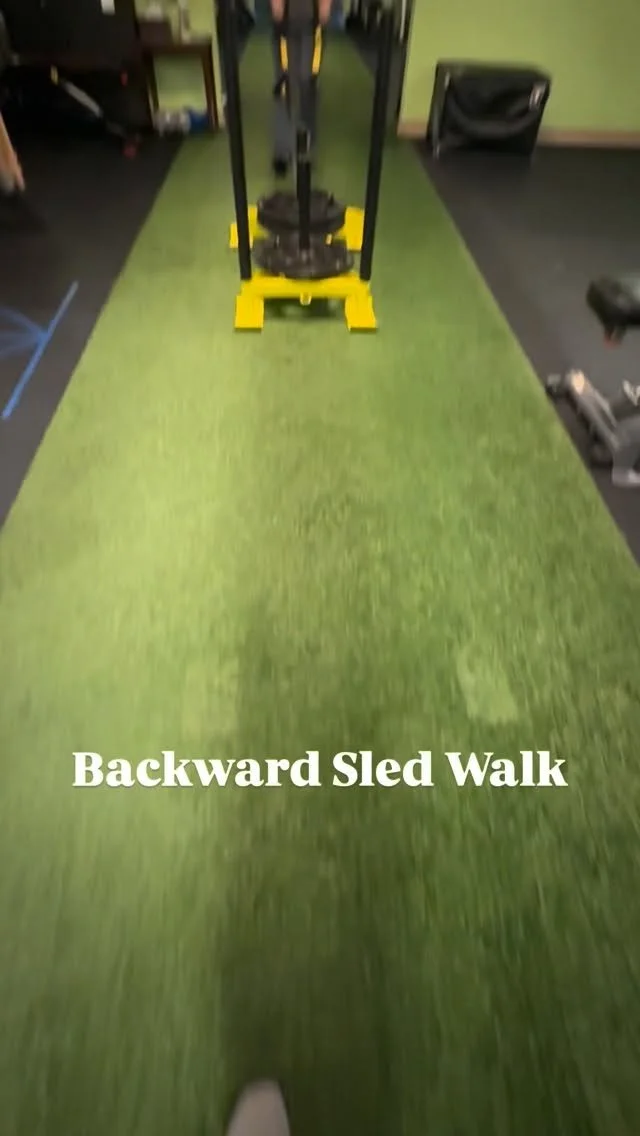
1. Re-establishing Gait & Balance: Conditions like Parkinson's can cause a "freezing" sensation or a shortened, shuffling stride. We use deliberate footwork drills and dynamic balance training to re-wire foot-to-brain communication, giving you the stability needed to walk with confidence and drastically lower fall risks.
2. Cognitive-Motor Integration (Dual-Tasking): In daily life, you rarely just walk; you walk while carrying a conversation, turning your head, or holding a cup of coffee. Our sessions utilize dual-task drills—like catching a light ball while maintaining a specific stepping pattern—to strengthen the brain's ability to coordinate thought and physical action simultaneously.
3. Amplified Movement Patterns: Neurological challenges often cause movements to become "small" and rigid. We counteract this by practicing large-amplitude movements—big rotational reaches, wide steps, and controlled power work—to open up the joints, defeat muscle tightness, and restore your natural physical presence.
A Safe, Expert-Led Community
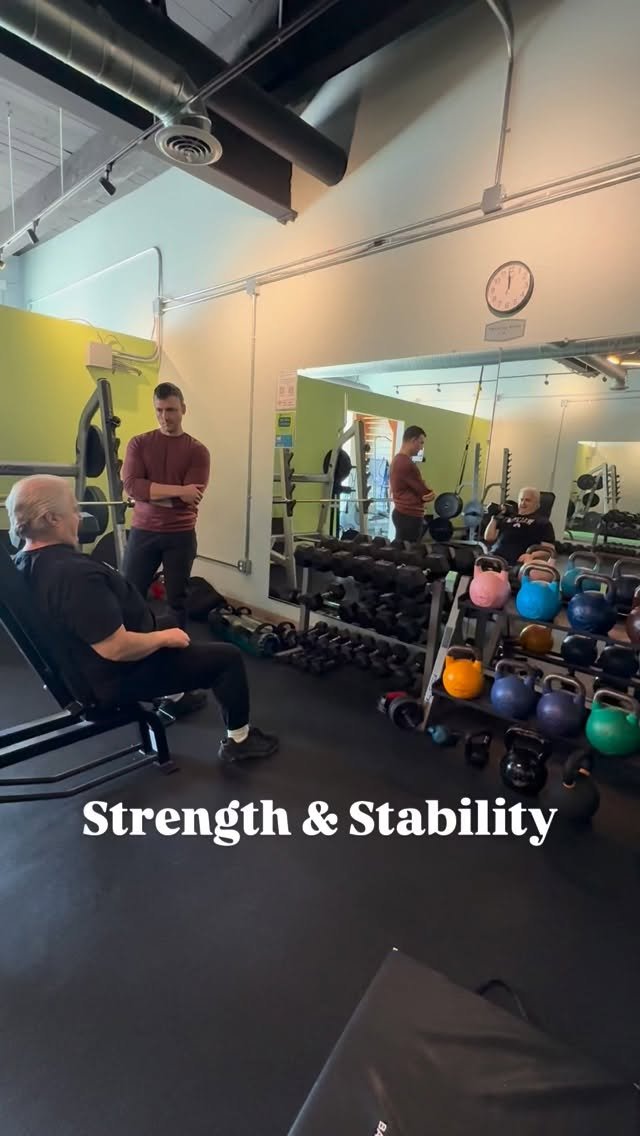
We know that stepping into a fitness environment with a neurological diagnosis can feel intimidating. That is why NeuroMotion is kept to strict, small-group numbers in a supportive, private setting. You aren't getting a weekend-certified instructor; you are getting an expert coach who understands how to safely modify every single repetition for your specific baseline.
Your movement journey is far from over. Whether you are looking to maintain your independence, complement your current clinical physical therapy, or help a loved one stay active, NeuroMotion is here to guide the way.
Note: To ensure the ultimate safety and success of every participant, a private, 1-on-1 Neuro-Functional Assessment is required prior to joining your first class.