By: The InMotion Team
We’ve officially hit the dog days of July here in Shrewsbury, and the humidity is thick enough to cut with a knife. If you’ve stepped outside for a run down by Lake Quinsigamond or spent an hour doing heavy yard work lately, you’ve probably noticed that you feel completely wiped out much faster than usual.
It’s not just in your head—it’s a physiological reality.
At InMotion Personal Training, we see many active adults try to white-knuckle their way through peak summer mugginess, assuming that "more sweat equals a better workout." In reality, high humidity changes the entire tax on your cardiovascular and nervous systems. Understanding "The Humidity Trap" is essential for keeping your joints safe and your training on track this month.
The Physics of Sweat
When you exercise, your core body temperature rises. To cool itself down, your brain signals your body to sweat. On a dry day, that sweat evaporates off your skin, which is the exact mechanism that cools you down.
When the humidity hits high levels, the air is already saturated with moisture. Your sweat cannot evaporate into the air; it just sits on your skin. Because your natural cooling mechanism is blocked, your heart has to pump drastically more blood to your skin to try to release heat, leaving less oxygen and blood flow for your actual working muscles.
The result? Your heart rate spikes, your muscles fatigue rapidly, and your coordination drops—which is exactly when injuries, lower back tweaks, and joint strains happen.
The Neurological Drain
When your body is fighting to stay cool, your central nervous system gets exhausted. If you push through complex, heavy, or explosive movements in a hot, humid outdoor environment, your brain-to-muscle communication slows down. Your core stability compromises, and your body begins substituting poor movement patterns just to get the job done.
How to Pivot Your Training This July
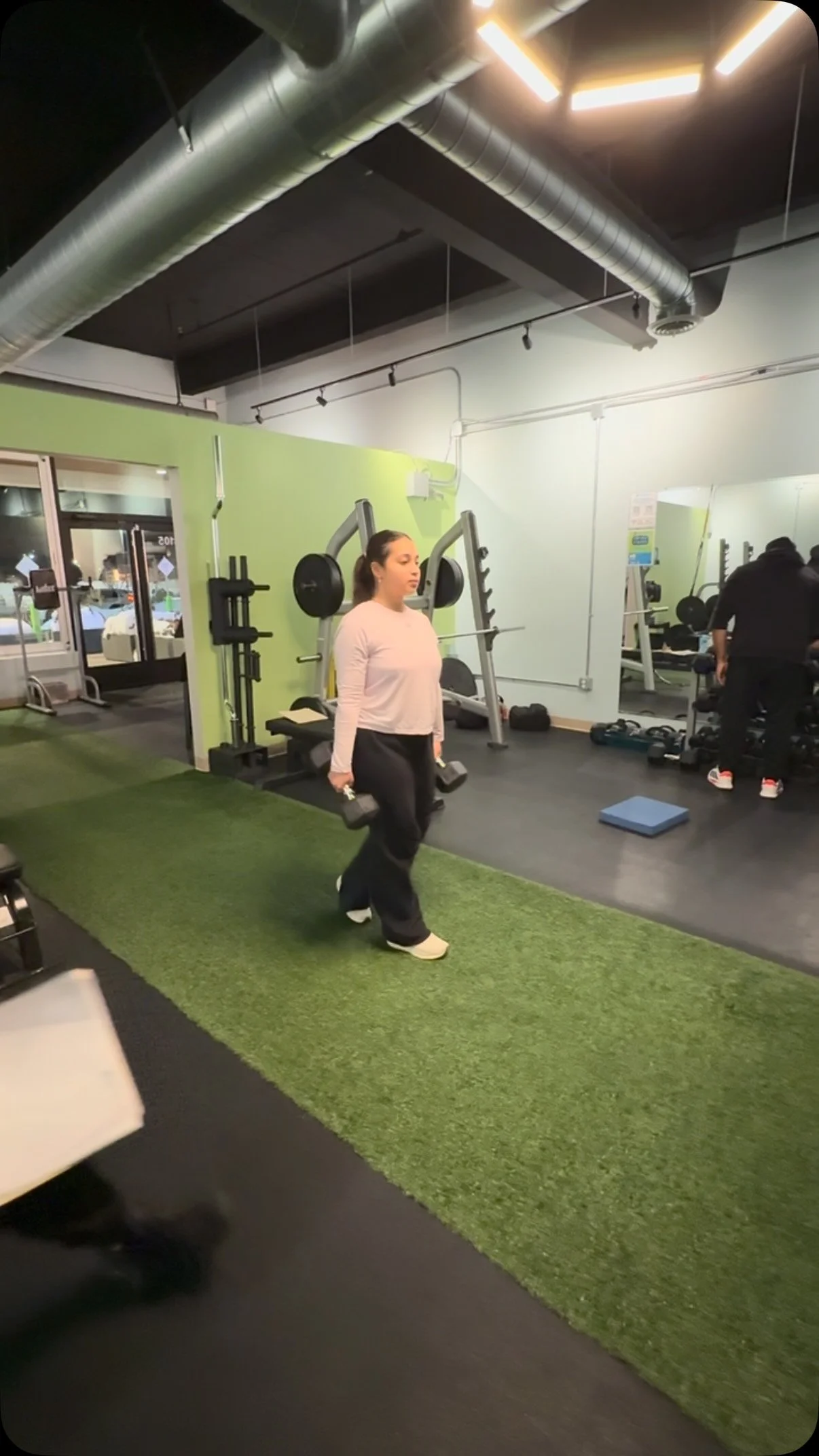
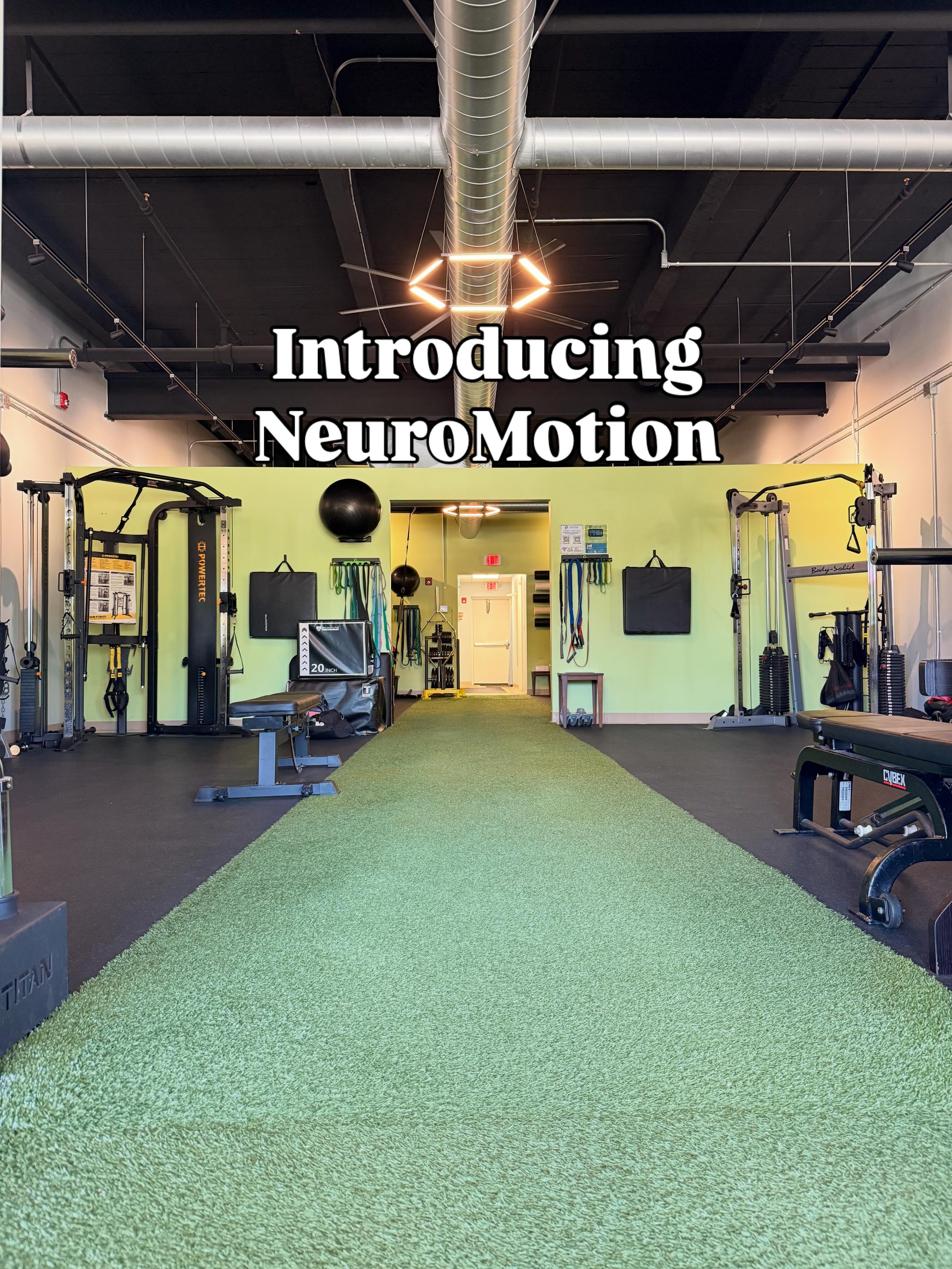
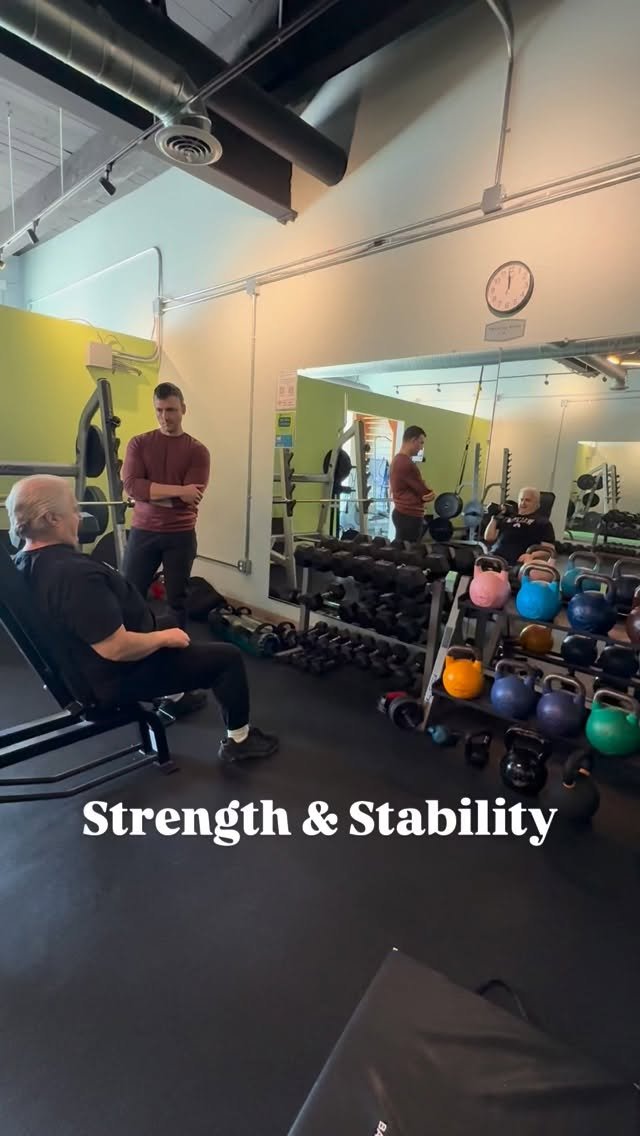
Bring the Intensity Indoors: When the dew point hits the uncomfortable zone, swap your high-intensity outdoor training for a climate-controlled environment. Training at our private Maple Ave studio allows you to demand high performance from your muscles without dangerously overloading your heart and cooling systems.
Focus on Controlled Joint Mobility: High humidity can actually make your joints feel stiff or "heavy" due to atmospheric pressure changes. Use this time to focus on deliberate, functional mobility patterns rather than mindless cardio. Lubricating the joints through controlled ranges of motion keeps you moving flawlessly without causing heat exhaustion.
Lengthen Your Rest Intervals: If you are training in a warm environment, give your nervous system time to recover between sets. Double your standard rest periods to let your heart rate settle before loading your spine or joints again.
Train Smarter, Not Harder
Summer fitness shouldn't be a survival contest. By adjusting your training environment and focusing on high-quality Functional Movement, you can protect your structural health and continue building strength all summer long.
Ready to get out of the heat and dial in a movement blueprint that actually works? Click below to book a private, 75-minute Consultation and Movement Assessment at InMotion today, and let's map out your ultimate summer strategy.